Thursday, August 16, 2018
Many Foreigners Getting Jamaican Citizenship
http://jamaicans.com/foreigners-jamaican-citizenship-rises/#.W3QfsQ9EFb0.facebook
I am not against the Chinese , Spanish, German, or any other group coming to Jamaica, because after all, our motto is "out of many one people ". And many of us are biracial or mixed with different ethnic groups. Many Jamaican communities are.made up of the descendants of Chinese, Spanish, German, African, Indian, Scottish, Irish and so on. My point is this, the government officials negotiating contracts for the long term use of our resources need to ensure that the contracts benefit the locals by providing employment opportunities and the it is mandated that a great percentage of the profits are reinvested into the local economy. However what is happening is that the foreigners sign these long term contracts, use the resources, send the majority of the profits to their foreign based banks, and then the result is the Jamaicans left in a worse state than before these foreigners came. Then after their lease is done, the foreigners leave Jamaica to go back to their country or apply for citizenship somewhere else. Why do I keep ranting about thus on social media? So that I can educate my younger family members and friends so that when they become leaders of our siciety, they will understand what needs to be done to help lift Jamaica out of poverty. And also to help the less fortunate become aware if how their own birthright is being sold to foreigners, so they can become smart and put a stop to this destructive cycle.

Saturday, October 21, 2017
Carlton Lawson
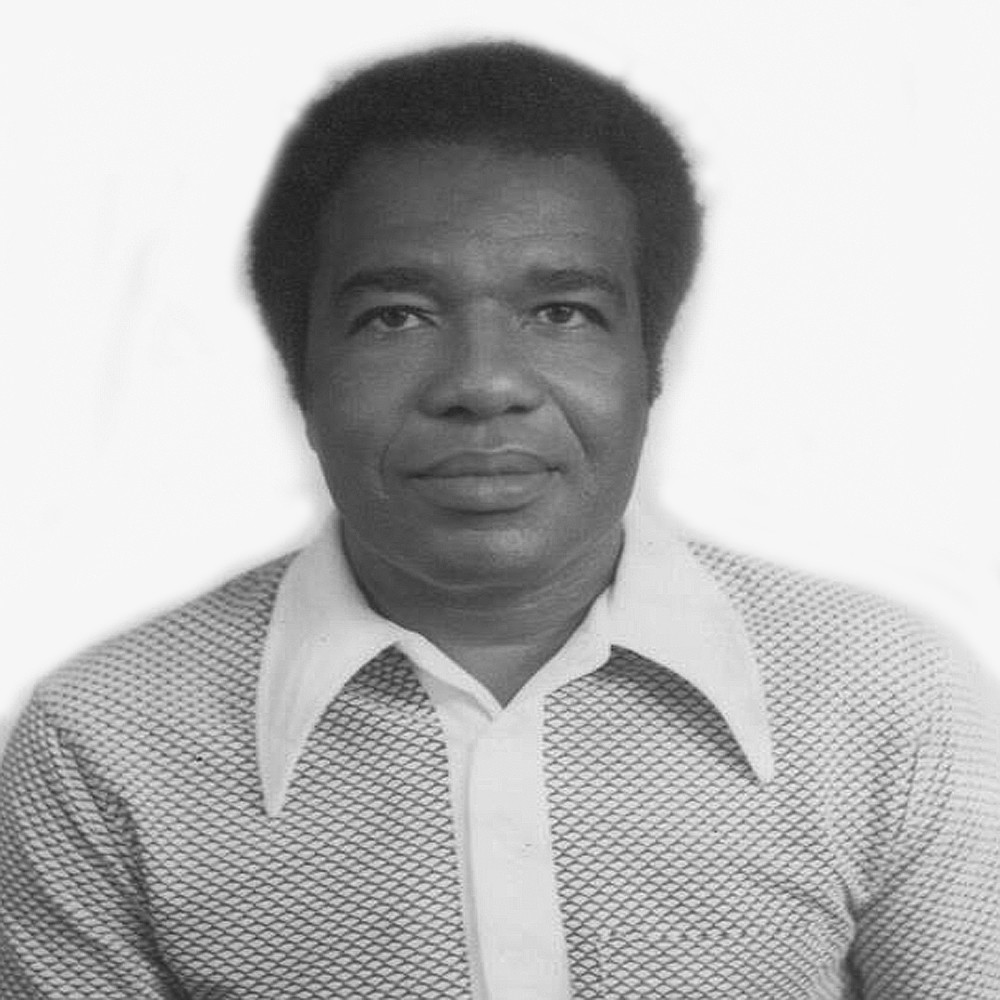
Today October 21, 2017 will be the funeral for my mother’s cousin Carlton Lawson at Faith Temple in Montego Bay. He grew up in St Elizabeth and lived in Montego Bay for many years. He was the Vice Principal of St James High (formerly known as Montego Bay Senior School) before he retired. Carlton is the true example of a hardworking man.He and his wife Naina were firm believers in education and she is one person who had unwavering belief and faith in my academic abilities, even more than I had in myself. Her constant encouragement kept me going at times when I felt like I couldn’t go on. Carlton chose this strong woman to be his lifetime partner and they are well respected in their community for their many years of service to Montego Bay’s young people. This man never knew what it meant to sit down and take a rest. He was always working whenever I went to visit him. Always working to make sure his family was well taken care of, had food on their table and shelter over their heads. If you want to imagine what my mom looked like, imagine a woman with Carlton Lawson’s face. They were first cousins and they grew up in St Elizabeth with a host of other cousins. My mother was very close to all of her cousins and in her love for spending time with family, she took me to visit Carlton and his family as often as she could. I thank God for the life of my cousin. He has touched the lives of many people in Montego Bay, at church, at St James High where he worked for many years as a teacher before being appointed as Vice Principal, in his community. Thank you for all you taught me through example and may you rest in God’s arms and may your wife and sons be comforted.
Monday, September 4, 2017
Montego Bay does not have a public hospital.
Montego Bay does not have a public hospital. Yes, in the
year 2017. The second city of Jamaica does not have a public hospital to serve
it’s citizens. What a national disgrace.
Of course I would like to build a new hospital. I have sick family there. Now how do I go about doing that?
I have failed my family in Montego Bay
The first time I wrote this blog, many people didn't get it. So let me help you out. When you read this blog, whenever you see "I" or "my", insert your name...and whenever you see "Montego Bay", insert the name of your city, town, district or village...
Dear Montego Bay ( and the rest of Jamaica),
Dear Montego Bay ( and the rest of Jamaica),
Let us stop the hypocrisy and denial right now! Who is
to be blamed for the generation of cold, heartless killers in Montego bay? We are. We cannot point fingers at anyone
else but ourselves. Who are these cold, heartless killers? These vipers that
are killing people? They are our family.
They are our sons, daughters, nieces, nephews, cousins, uncles, aunts…they are
our family. Yes, these cold heartless killers are my sons, my daughters, my
nieces, my nephews, my cousins, my uncles, my aunts, my husbands, my wives, my
boyfriends, my girlfriends, my best friends, my neighbors. Yes my family is
killing people and scamming elderly American citizens of their lifesavings,
their 401K and retirement plans. We can try to distance ourselves from these “murderers
and suicidal youths” and point fingers at the government…or we can accept the
fact that we have failed these brilliant young minds and allowed them to become
the senseless killers they are today. Not just “we”, but “me”. Not “they” have
failed the youths, but “I” have failed my family in Montego Bay and (you who are reading this blog, please insert the name of your community here).
Now it has hit close to home. It has become
uncomfortable. The government has imposed a curfew on Mt Salem. My childhood
community.
Let me stay over here in denial and pretend like I didn’t
grow up with these heartless killers. Let me point fingers at “these kids
nowadays” and their wicked, lazy parents. Who are these kids? Who do they
belong to? You saw these kids being born
at Cornwall Regional Hospital. You were at their baby showers.You taught these
kids at school. You gave them lunch money. Their parents loaned you money to buy
your first car. You slept on their parents couch when your landlord evicted you.
Their parents loaned you money to buy your plane ticket to go to school in Miami,
with the hope that you would remember them and help them one day. You and their parents were in the same partner plan (the same partner draw that helped you to put down the first deposit on your NHT house). So now that you have a job, have a home, have
a nice car, your kids are at the university, how dare you turn your back on these
kids who are your own blood. They are not your children? Then who do they
belong to? They are not your family? Then whose family are they? Let me get
this straight. You watched these kids grow up in the same community, same
tenement yard that you did, they have your last name, they have your DNA and
now that they have become senseless killers you don’t know them. Stop the lies.
Stop the hypocrisy! These kids are our family. Yes, these kids are raping, stealing,
scamming, killing, hooked on drugs and alcohol. No we can't take them back to
the store like some rotten tomatoes. We have to deal with who they have become
and help them regain control of their lives. No this problem can't be fixed by tomorrow
morning.The JLP can't fix it. Th PNP can't fix it. It cant be fixed by throwing all of them in jail either. These problems
are going to take more than 20 years or more to fix. We are going to need pastors,
psychiatrists, psychologists, therapists, counselors, teachers. We are going to
need a mother’s love. A father’s love. We are going to need the type of
patience, understanding, caring only loving families can give.
But it’s not my problem you may say…as long as I go to
work and I come home and my family is not killed, I don’t have to worry about
them. Nothing can be done about them. Let the government, put more money into
building more prisons and training more police for them.
So whose fault is it? How did they become this way?
It’s actually my fault.
Yes. My fault. I stood by and watched selfish businessmen build all-inclusive
hotels and I did not demand from my local government to mandate that these
businessmen invest in programs to help my family;
I just stood there and said nothing, did nothing while
my local government allowed foreign investors to use my kids in call centers
and disgrace me and my kids by accusing us of being thieves and scammers, after
they scammed me out of the millions they were making from these call centers
while only paying me below minimum wage;
I just stood
there and did nothing when selfish business men demanded that my kids give their
clients service with a smile and allowed them to convince me that me and my
kids should accept no tips;
I just stood
there, did nothing and said nothing while millions of tourists visit my home with
the intention of giving me money in return for my hospitality and service, and
I watched as selfish business owners benefitted from these tourists and I did not
hold my local government accountable for ensuring that the money stays in the
local economy;
Yes. I did
that. Me.
So you think we should just throw all of our family
members in jail? Really? Who is going to take care of you when you are old? Who
is going to continue to build your community that you will live in when you are
old? Yes. These heartless senseless killers. When they return from prison, they are coming back for you.
How am I going to fix the problem of my family who
have become murderers and suicidal youths? First I have to admit that I have
been in denial. Then I have to take ownership of my mistakes. Then I have to
put away my pride and seek help for the problems my family face. I have to
accept that these murderers and suicidal youths are brilliant young minds that
have been allowed to become corrupted and that they are worth saving. I have to seek help for my kids before they become murderous and suicidal. Whatever happened to teaching children about morals and values? I have to teach my child right from wrong. I have to teach and show my child discipline. I have to help my child understand that there are consequences to every decision, whether that decision is right or wrong. I have to teach my child to be accountable for his or her actions. I have to speak up when I see other parents allowing their children to do wrong. I have to hold my family, my friends and members of my community accountable for the decisions they allow their children to make. If I don't take the time to train my children correctly and work with my community to ensure that all the children are being raised with morals and values, I can't just expect the government to rush in and fix the problem when my children grow up to be murderous, suicidal, cold, heartless vipers. I have to
realise that it is going to be a long, hard, painful process, but in the end it is worth
it. Because with God, as long as there is life, there is hope.
Monday, July 31, 2017
Embracing my maroon family history
Thesis: Understanding
one’s family history is very important in helping to shape one’s character and
personal growth and development.
In this blog, I will
discuss my family history. My family
history is very important to me because it helped me to understand who I am and
to embrace my strengths and weaknesses.
Understanding one’s family history is very important in helping to shape
one’s character and personal growth and development . When I was growing up, my grandmother told me
that our family were descendants of a great Jamaican leader. The leader was a
woman called Nanny of the Maroons. Nanny
was the first woman in History to cause the British to sign a peace treaty with
slaves in Jamaica. Nanny was one of the leaders of the Maroons who were runaway
slaves. Nanny was also from the Ashanti warrior tribe of Ghana. Today in
Jamaica, Nanny is recognized as a
National Hero of Jamaica and her portrait
has been used on Jamaican currency.
The maroons were a group
of rebel slaves. They ran away from the plantations and formed their own
government in the hills of Jamaica. The territory they occupied was dangerous. The
area is known today as the cockpit country. This land is made up of sharp limestone rocks. They
understood the hills and were able to successfully evade the British. They
understood how to survive on the land , to find food and water, something that
was mind boggling to the British at that time. Many british soldiers who tried
to capture the maroons died while doing so because they did not understand the
terrain of the land and some starved because they were unable to find food and
water. After starving and having a hard
time to survive, they were forced to sign a peace treaty with the Maroons .
This was a result of Nanny’s leadership. This Treaty was signed in the
year .
The treaty would allow the Maroons
to live in peace and keep their own government and in return, the Maroons would
teach the British how to survive in this
land and how to find food and water.
At the time when my Grandmother
told me this important part of my history, that I was a descendant of Nanny, I
did not understand the importance. Now that she has passed away, I wish I had
gotten the chance to be around her more, to learn more of my family history. In
the community known as Maroon Town, St James,
my Grandmother was very well known. She moved from her community in
Portland, to Maroon Town St. James when she was young. She was six (6) feet
tall and was a very beautiful and
confident woman. She was very strong physically. She was also known to fight
any man that tried to challenge her. She was however well liked by her community and a very
generous person. She had six (6) children, of which my father was the last, and
she also took care of many other children who did not belong to her. She lived
to be one hundred (100) years old. Up until about age 92, she was still very
active, she would walk down to the town center, she still had some of her own
teeth, her skin was very nice, she had a sharp memory, she loved to talk. She
looked thirty years younger than her real age. After age ninety two (92) however,
her brain started to degenerate and she eventually succumbed to alzheimer’s
disease.
I feel very proud whenever I think of my
Grandmother and also my Ancestor, nanny of the Maroons. I have learnt to understand more about
myself, my behavior and my life goals. I am very community centered. I take
great pride in being involved in community activities, volunteering and giving
back to the community. My ambition is to use my abilities and skills to become
a community activist and philanthropist like Oprah Winfrey whose life and work
is a great inspiration to me. Understanding my family history has also
helped me to understand my personal traits, for example, I am very competitive,
I always take on leadership roles in various clubs and organizations, I am very
ambitious and sometimes have huge surges of confidence to do things that most
people would shy away from. Sometimes I look back at my achievements and wonder
where the confidence comes from.
In conclusion,
understanding my family history has been
very important for me. It has helped me to recognize my strengths and
weaknesses, it has helped me to appreciate my family heritage more and
understand their behavior, it has given me pride and confidence that has helped
me to cope in times when I feel low. I am proud of the history of the Maroons,
my ancestor known as Nanny and all that she did to help to fight for the
freedom of slaves. It has given me hope
for the future, to one day use my abilities to make a lasting positive impact
on my community. I have been able to research more about the Jamaican maroon
tribe and their contribution to the Jamaican society, appreciate my
grandmother’s role in her community.
Understanding one’s family history is very important in helping to shape one’s
character and personal growth and development.
Thursday, October 1, 2015
Jamaica’s Energy Profile
Jamaica’s Energy Profile
Jamaicans presently pay
40 cents (USD) per kwh for electricity which is one of the highest rates in the
world. In comparison, residents in the state of Texas pay an average of 12 cents per kwh. The
high cost of electricity in Jamaica puts a large burden on households and small
businesses. The average citizen has to pay approximately 33% of their income
towards electricity, resulting in many
residents living without electricity with some resorting to electricity theft. With
the current energy conundrum Jamaica faces, it’s government is exploring ways
to reduce energy costs.
Jamaica’s current
energy crisis is not reflective of its historic beginnings in energy. Jamaica
started out as one of the energy pioneers in the Caribbean, and was one of the
first countries in the world to receive electricity. However , 122 years later in
2014, Jamaica has fallen behind in the use of renewable energy, but there is still
great potential for development. As the third largest island in the Caribbean,
Jamaica has an area of 10,990 sq km (4,243 sq miles) and a population of 2.7
million people. Jamaica’s main industries that contribute to the GDP are
Bauxite, Tourism, Agriculture and Manufacturing. Jamaica’s energy resources are
managed by the Ministry of Science, Technology, Energy and Mining. The Energy
Division works with two principal energy
companies, namely the Jamaica Public
Service Company (JPSCo) and the Petroleum Corporation of Jamaica.
The Jamaica Public
Service Company (JPSCo) is the primary electricity distributer and provider and
the Petroleum Corporation of Jamaica is the primary importer of petroleum and
other energy products. Jamaica does not have it’s own energy resource and this
has caused energy disruptions for example, in the 1973 oil crisis, and also causes increases in the cost of
electricity. Jamaica is heavily dependent on foreign energy resources and
imports most of it’s energy. Jamaica imports energy from Trinidad and Tobago,
Venezuela, Ecuador and Mexico. Jamaica has a great
potential to use renewable energy,
but under utilizes this avenue. Some of
the renewable energy sources that Jamaica currently uses include solar energy,
mini-hydropower, wind, and biomass. Jamaica’s main energy sources come from oil,
coal, hydro-electricity and biomass. Jamaica’s Bauxite industry uses a large
percentage of the energy that is imported.
Jamaica is a pioneer in
electricity, as it was one of the first countries in the world to receive
electricity in 1892, supplied by the Jamaica Electric Light Company in the
nation’s capital Kingston. In 1897, just five years after it’s historic rise to
power generation, Jamaica made another important step towards green energy lead
by the West India Electric Company. This company built a hydroelectric plant on
the Rio Cobre River with an energy
capacity of over 900 kilowatts. These advancements lead to industrial
revolution in Jamaica and introduced new elements to the country including
electric tram cars for public transport. Jamaica’s energy future was bright but
not without challenges. In 1907, a major earthquake destroyed a section of the
capital Kingston including the power infrastructure. This lead to a consolidation
of energy services but resulted in significant improvements in service.
The consolidation
formed the Jamaica Public Service company. The Jamaica Public Service (JPSCo)
became a registered company in 1923. It
started as a foreign owned private company. JPSCo has 603,350 customers
and has a generation capacity of over 620 Megawatts. JPSCo also partners with
the following Independent Power Producers (IPPs) in order to have access to an
additional 820 megawatts of power: Wigton Wind Farm, Jamaica Energy Partners,
Jamalco and Jamaica Private Power Company (JPPC). Eighty percent of (JPSCo) is
owned by the private shareholders Marubeni Caribbean and Korea East- West Power
Company, Nineteen percent is owned by the Government of Jamaica and one percent
by minority shareholders.
Due to the fact that
Jamaica produces no petroleum, the government of Jamaica created the Petroleum
Corporation of Jamaica (PCJ) in 1979 to import petroleum, manage its use and
distribution and to develop strategies for the exploration of oil and gas. The
PCJ is comprised of the following companies: Petrojam limited, Petrojam Ethanol
Limited, Petcom Limited, Jamaica Aircraft Refuelling Services, and Wigton
Windfarm Limited. The Jamaican government has made alliances with other
countries in order to receive concession on the price of oil. The Alliances
are: The Venezuelan Oil Agreement, The Latin American Energy Organization
(OLADE), Assistencia Reciproca Petrolera Empresarial Latino Americana (ARPEL),
The San Jose Accord, and the PetroCaribe Agreement. The Venezuelan Oil Agreement, also known as
the Caracas Energy Agreement supplies 80,000 barrels of oil per day to ten
Central American and Caribbean States including Jamaica. Jamaica pays for 80%
of the oil and repays the other 20% in a 15 year loan at a 2% interest rate.
The Latin American Energy Organization (OLADE) was established in 1973 with the
Lima Agreement which helps to ensure that the twenty six (26) Latin American
and Caribbean member countries which includes Jamaica will have an economical
means of receiving energy. In 1985, The Petroleum Corporation of Jamaica joined
the (ARPEL) which is a forum made up of oil companies in the Latin American and
Caribbean region. It promotes economical business among the countries that are
members. The PetroCaribe agreement is an agreement between the government of
Jamaica and Venezuela to also promote economical means of receiving energy.
In 2006, Jamaica imported US1.84 billion
dollars worth of oil and in 2007 crude oil was imported for US $90 per bbl.
During the period of 2006 to 2010, an average of 25.6 million barrels of
petroleum was imported. On a daily basis, Jamaica consumes approximately sixty
six thousand barrels of petroleum and sixty two thousand short tons of coal. In
addition to this, approximately three billion kilowatt hours of electricity are
used and as a by-product approximately ten million metric tons of carbon dioxide
are emitted.
The major consumers of
energy in Jamaica are the National Water Commission, the hotel and tourism
industry, and the bauxite and alumina industry. The following data of petroleum consumption by barrel in 2010 was
obtained from a table created by the Energy Economics and Planning Unit of the
Ministry of Energy and Mining: Road and Rail Transportation-5,647,692 barrels,
Shipping-1,868,525 barrels, Aviation-1,899,930 barrels, Cement Manufacture-5139
barrels, Electricity Generation-6,578,349 barrels, Bauxite/Alumina Processing-
2,884,978 barrels, Sugar Manufacturing - 15,045 barrels, Cooking and Lighting –
950,861 barrels, Other Manufacturing 52, 969 barrels, Other Activity-115, 324
barrels, Petroleum Refinery-268,039 barrels.
According to a report
from The Jamaica Sustainable Energy Roadmap, energy loss is mainly
due to inefficiencies in the national grid, but is also attributed to electricity
theft. In 2013, JPSCo reported a system
loss of 25.88% because of electricity theft costing US $43.5M. With
an unemployment rate of 13.4%, and the average gross salary being US $2498, it is difficult for the average Jamaican to
pay for electricity. To add to this, unlike the government, the all-inclusive
mega resorts, and industries such as the bauxite industry, the average Jamaican
has to pay an increased rate of 40 cents (USD) per kWH and cannot afford the
huge burden of simply lighting their homes, and running necessary appliances
such as the refrigerator. According to the US Department of Energy, the average
per capita consumption of electricity in Texas was 5683 kWh in 2011 at a cost
of around 12 cents per kWh. If the average cost of electricity in Jamaica which
is 40 cents per kWh, were to be extrapolated to the average per capita
consumption in Texas, this would yield an average yearly cost of US$ 2273.20 instead
of US$ 681.96. These figures are
excluding transmission, delivery and other charges which can add to the cost of
electricity by as much as 45%. Bear in mind that in Jamaica, most homes do not
have a water heater or air conditioning unit and the average Jamaican home is
less than 500 square feet. A possible reason for electricity theft might be
attributed to, the fact that the people cannot afford to pay for electricity because
they have to spend their income on basic
necessities like food, water and shelter. The Jamaican Ministry of Science, Technology, Energy
and Mining is working to implement projects to decrease the cost of energy.
There is a lot of potential for Renewable Energy
in Jamaica. The Renewable Energy and Energy Efficiency Department of the PCJ
has lead initiatives to make buildings more energy efficient. They have started
by implementing solar energy equipment in hospitals and schools to provide
lighting and water heating. The Wigton Windfarm has collaborated with the
University of the West Indies to do a Wind and Solar Development Program
(W&SDP) in which feasibility studies have been done to determine possible future wind farm sites.
The PCJ has also initiated a project to produce biodiesel. The PCJ has also
created public education projects like the Energy Conservation Incentive
Program for Schools and the Energy Seminar Series for businesses, householders
and other consumers.
Jamaica has great solar potential with Global
Horizontal Irradiance (GHI) ranging from
5 to 8 kWh per square meter per day. In comparison Germany,
which has the most installed solar photovoltaic (PV)
systems in the world, has an average GHI of 3.5 kWh per square meter per day. A
JPS report based on the average Jamaican’s electricity consumption stated that
a one square –kilometer solar PV farm would generate enough power for over 64,000 households. This
indicates that approximately 10 solar farms could power the approximately
525,000 households in Jamaica. Ongoing
energy efficiency and renewable energy pilot projects funded by the
Development Bank of Jamaica reported that two particular hotels, Footprints on
the Sand and the Sunrise Club Hotel implemented energy efficiency measures
which included replacing electric water heaters with solar water heaters,
installing a solar PV system and replacing old air condition units with more
efficient units.
Jamaica also has great potential for Wind Power.
The Wigton Windfarm in Manchester, owned by the PCJ and the Munro Wind Farm in
St, Elizabeth owned by the JPSCo are two wind farms that are operated on a
commercial scale. The Wigton Wind farm has an average wind speed of 8.3 m/s.
Wigton started in 2004 with 23 wind turbines that generated a capacity of 20.7
MW. In 2010 Wigton added 9 wind turbines which added an additional 18 MW
capacity, to contribute a total capacity of 38MW to the national electricity
grid. The Munro Wind Farm which was started in 2010 has 4 wind turbines which
generate 3MW capacity to the grid. Feasibility studies in 18 locations have
being done by Wigton for the possibility
of developing more wind farms. A report by the Worldwatch Institute stated that
the development of ten (10) wind farms could contribute to supplying about half
of the power needs in Jamaica.
Other renewable energy resources like
hydropower, waste-to-energy power, biomass, wave and tidal energy and
geothermal energy, also demonstrate great potential to be developed.
Development of these resources would help Jamaica to off-set the cost of
imported energy and be less dependent on imported oil.
The Jamaican government is working towards
finding ways to reduce energy costs and
depend less on imported oil. In January of
2012, Minister of Science, Technology, Energy and Mining the Honourable
Phillip Paulwell stated that over the subsequent four year period he would
reduce electricity rates by 50%. A
National Development Plan called “Vision 2030” was implemented by the
Jamaican government in 2005. This plan seeks to ensure that Jamaica will have
fuel diversification. Past President of the Office of Utilities Regulation
(OUR), J. Paul Morgan has been an advocate for the use of Liquified Natural Gas
for Energy in Jamaica. He also stated
the need for new electricity legislation. On October 4, 2013, the Ministry, on
recommendation from the Office of Utilities Regulation granted a license to the
Energy World International as part of an ongoing project to decrease the cost
of electricity in Jamaica. Energy World International is an energy company
which produces and sells natural gas. The Worldwatch Institute has also
collaborated with the Jamaican government to create the “Sustainable Energy
Roadmap” which is a methodology to help Jamaica to develop the energy
resources. This project was funded by the German government through it’s
International Climate Initiative. The Worldwatch Institute has done extensive,
comprehensive research on ways to make energy distribution and transmission
more efficient, analysed ways of having more environmentally responsible and
efficient consumption of energy, and done feasibility studies for the better
use and development of renewable energy resources.
Further Reading
Ministry of Science, Technology, Energy and
Mining.
[Internet]
[Accessed 2014 Dec]
Available from http://www.mstem.gov.jm
Clean Energy Info Portal. [Internet] [Accessed 2014 Dec]
US Energy Information
Administration. US Dept of Energy. Country
Profile. [Internet]
Jamaica Information Service. Ministry of Science, Technology,
Energy and Mining.
2 May 2014.
[Internet]
[Accessed 2014 Dec] Available from http://jis.gov.jm/ministers-press-release-energy-world-international/
Energy World Corporate Profile.
[Internet]
[Accessed 2014 Dec]
The Jamaica Gleaner. Jamaica's energy problem needs urgent
attention
Web. 28 March 2013. [Internet] [Accessed 2014 Dec]
The Jamaica Public Service.[Internet] [Accessed 2014
Dec]
Petroleum Corporation of Jamaica.[Internet]
[Accessed 2014 Dec]
Davis, Nick. 4 April 2014.
Jamaican Power Company Reacts To Electricity Theft.
Marketplace
Morning Report. BBC World Service. [Internet]
[Accessed 2014 Dec]
Available
from http://www.marketplace.org/topics/world/bbc-world-service/jamaican-power-company-reacts-electricity-theft
World Watch Institute.
2013.Jamaica
Sustainable Energy Roadmap. [Internet]
[Accessed
2014 Dec] Available from Jamaica-Sustainable-Energy-Roadmap-112013.pdf
US Department of
Energy. Internet] [Accessed 2014 Dec]
Vision 2030 Jamaica National
Development Plan [Internet]
[Accessed
2014 Dec] Available from
www.vision2030.gov.jm/National-Development-Plan
Thursday, August 6, 2015
Why should we celebrate Jamaica's Independence?
Why should we celebrate Jamaica's Independence? Yes Jamaica has lots of problems but the Jamaican culture is so rich and is one that has influenced many people all over the world. Wherever I have travelled, I find that most Jamaicans I have met are leaders in their communities, entrepreneurs, small business owners. People respect Jamaicans and see us as fascinating, proud, hardworking, ambitious, talented people. Our excellent command of our native language which is the English Language (Thank you Britain!... yes for my foreign friends, Jamaica was a British Colony too) gives us a competitive edge over many other minority groups. We see opportunities where other people see failures. The hardships we faced in Jamaica has given us unique skills, given us resilience, that will to survive, that drive to be number one in all that we do. It is this culture that we celebrate. Many Jamaicans who have never travelled do not realise these unique skills that we have until they find themselves in a foreign country. We are quick to compare our little country to other countries and not realising that other countries are facing hardships too. Some countries are facing even worse conditions. Some countries have people with a broken spirit , people who don't have our will to survive. Inspite of the major challenges we face, there are still many Jamaicans who have a firm belief in god, who are positive, who are working hard right now in Jamaican communities to uplift those communities. for these leaders, failure is not an option. They seek to inspire hope and positivity in the hearts of everyone in their circle. It is this Culture that we celebrate on Independence Day. So if you are wondering why should you celebrate, these are some of the reasons.
Subscribe to:
Posts (Atom)